Understanding Stock Market Data in Blockchain
The integration of blockchain technology in financial markets has revolutionized access to data and transparency, shaping the way traders and investors operate. By enabling decentralized finance (DeFi) applications, blockchain offers unique advantages like security, immutability, and real-time data processing. This transformation is pivotal in developing enhanced trading strategies that leverage accurate stock data, crucial for professional traders and research institutions. One such example is the integration of APIs that provide real-time market insights, such as 東証 Level 2 データ, which is essential for quantitative trading and investment research.
What is 東証 Level 2 データ?
東証 Level 2 データ, also known as Level 2 market data, provides comprehensive insights into the current orders and prices being placed on the Eastern Japan Stock Exchange. Unlike Level 1 data, which gives just the best bid and ask prices, Level 2 data showcases the entire order book, revealing all buy and sell orders at various price levels. This is particularly important for traders who employ high-frequency trading strategies or those seeking to analyze market depth and liquidity.
Access to Level 2 data enables traders to make informed decisions based on real-time market dynamics, allowing for timely entry and exit points. Organizations utilizing this data can develop algorithms that enhance their trading strategies or improve their market predictions significantly.
How Real-Time Data Enhances Trading Strategies
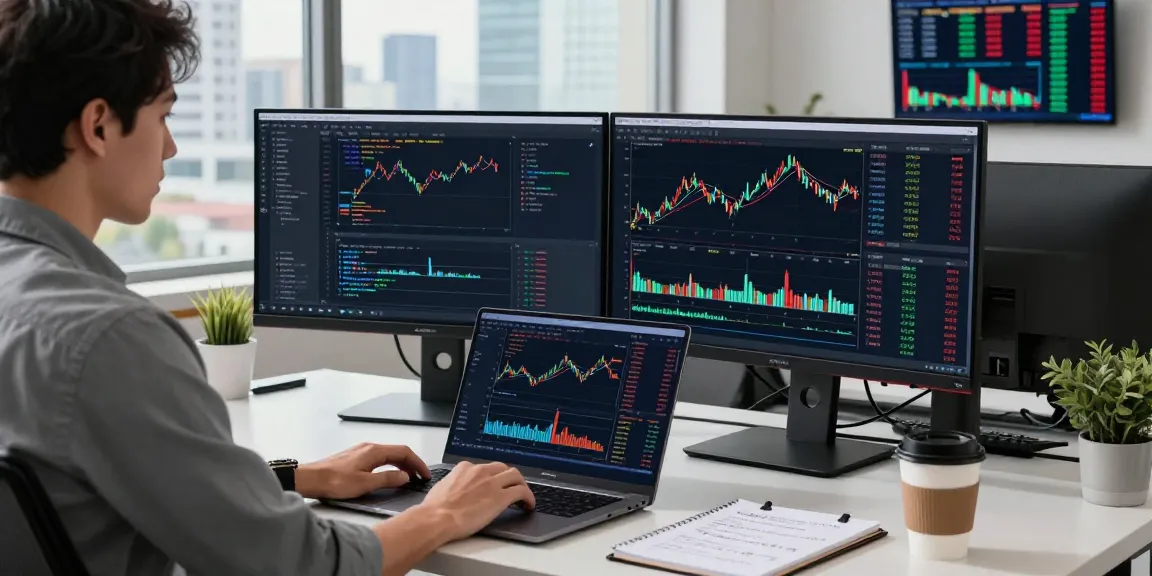
Real-time stock data plays a crucial role in modern trading strategies. The continuous stream of up-to-date market information allows traders to react swiftly to price changes, news events, and order fluctuations. This capability is essential for executing complex strategies that rely on market conditions. For instance, high-frequency trading firms utilize millisecond-level data to execute trades based on algorithmic signals while retail traders leverage historical and real-time information to identify patterns and trends.
Implementing strategies based on real-time data can improve trading efficiency. For example, traders can utilize candlestick patterns in conjunction with real-time order flow to make informed decisions regarding potential price movements. Such analytics enhance the ability to predict short-term price effects, especially during major market shifts.
The Role of APIs in Financial Data Access
Application Programming Interfaces (APIs) are pivotal in democratizing access to financial data, especially for developers and fintech platforms. APIs allow seamless integration of stock market information into existing systems, enabling developers to build robust trading applications that can process data from multiple sources effectively. The iTick Stock API, for example, facilitates access to real-time and historical stock data across 50+ exchanges worldwide, thus empowering users with key insights needed for both trading and research. As a result, financial institutions and individual traders can now build comprehensive analytics platforms that cater to their specific needs.
Leveraging Latest Technology for Trading
Integrating Stock APIs with Your Trading Platform
Integrating stock APIs, like the iTick API, into trading platforms offers significant advantages. Developers can create customized tools that allow users to analyze data, place trades, and manage portfolios all in one environment. This seamless integration enables enhanced user experience and operational efficiency, as everything from performance analytics to market feeds can be accessed when needed.
Moreover, real-time data integration can drive decision-making tools that utilize machine learning techniques to improve predictive analytics. With the rise of algorithmic trading, incorporating advanced technology such as artificial intelligence alongside robust data streams is key to gaining a competitive edge in the financial markets.
Different Types of Stock APIs: REST vs. WebSocket
When it comes to integrating financial data, understanding the differences between REST and WebSocket APIs is vital. REST (Representational State Transfer) APIs are stateless and enable users to request data on demand but do not maintain a persistent connection. This means that querying for updated data must occur each time a user needs the latest information.
On the other hand, WebSocket APIs provide a persistent connection, facilitating real-time data streaming. This capability is particularly beneficial for high-frequency trading environments where latency is critical. By opting for the right API type based on trading needs, users can optimize their trading applications, balancing cost, performance, and reliability based on their specific requirements.
Improving Trading Efficiency with Real-Time Analytics
Real-time analytics empower traders to make informed decisions based on current market conditions. Utilizing advanced tools that process live data streams enables rapid execution of trades and adjustments of strategies in response to market changes. Through the analysis of real-time data, traders can implement algorithmic trading strategies that detect patterns and execute trades automatically.
Furthermore, these analytics can provide insights into market sentiment through indicators such as the Relative Strength Index (RSI) and Moving Average Convergence Divergence (MACD), enabling traders to anticipate potential market movements and react appropriately.
Technical Analysis and Trading Strategies
Fundamental vs. Technical Analysis in Trading
In trading, analysts often employ two primary methodologies: fundamental analysis and technical analysis. Fundamental analysis focuses on evaluating a company's intrinsic value based on its financial health, market position, and economic indicators. This approach commonly considers factors such as earnings reports, industry trends, and macroeconomic data.
Conversely, technical analysis relies on the interpretation of historical price movements and trading volume data to predict future price movements. Technical analysts use tools such as charts and technical indicators to identify patterns and trends, enabling them to make informed trading decisions based on historical data.
Both methodologies offer unique insights and can be effectively combined to form a comprehensive trading strategy that balances intrinsic value and market psychology.
Using Candlestick Patterns for Market Predictions
Candlestick patterns are a fundamental tool in technical analysis, representing price movements within a given time frame. Each candlestick provides information about the open, close, high, and low prices, offering valuable insights into market sentiment. Common patterns include the Doji, Hammer, and Engulfing patterns, each indicating potential bullish or bearish market movements.
By analyzing these patterns, traders can gauge market conditions and potential reversals, forming the basis of their trading strategies. Coupled with real-time data feeds, understanding candlestick patterns can significantly enhance a trader's ability to predict market behavior.
Understanding Order Books: Depth and Liquidity
Order books serve as a fundamental component of financial markets, showing live buy and sell orders at different price levels. Understanding the depth of an order book is crucial for assessing market liquidity, an essential factor for traders entering or exiting positions without impacting prices. A market with a healthy order book exhibits significant depth, providing tighter spreads and reducing slippage risks.
Liquidity can also be influenced by external factors such as news events and social sentiment. Conducting thorough analysis on order book dynamics can lead to improved trading strategies and better risk management.
Security Best Practices for Trading
Importance of Private Key Management
In the realm of cryptocurrencies and decentralized finance, securing private keys is paramount. Each private key provides access to corresponding digital assets, making it critical to implement best practices for their management. Traders and investors should employ hardware wallets for cold storage, ensuring that their keys are stored offline and out of reach from potential cyber attacks.
Additionally, users should utilize strong, unique passwords for their accounts and enable multi-factor authentication wherever possible, adding an extra layer of security against unauthorized access.
Secure Your Trading Devices: Tips and Tools
The devices used for trading should also be secured to prevent malware attacks and unauthorized access. Employing antivirus software and ensuring regular updates can significantly reduce the risk of cyber threats. Furthermore, using secure connections, such as VPNs, when accessing trading platforms will enhance security and anonymity.
Avoiding Common Crypto Scams and Threats
As the crypto market grows, so do the tactics employed by scammers. Traders should remain vigilant against common scams, including phishing attempts and fake websites. Awareness of potential risks allows users to recognize warning signs and avoid precarious situations. Engaging with reputable exchanges and verifying project authenticity are crucial steps in navigating the crypto landscape securely.
The Future of Trading with Blockchain Integration
Emerging Trends in Cryptocurrency Trading
The cryptocurrency market is continually evolving, with trends such as decentralized finance (DeFi) and non-fungible tokens (NFTs) shaping investment landscapes. Continuous advancements in technology, such as blockchain scalability solutions, are also implementing more efficient protocols for transaction processing, making trading more accessible.
As institutions further embrace digital assets, regulatory frameworks are also adapting accordingly, paving the way for a more structured market environment. These changes signal a promising future for crypto trading, enhancing both the accessibility and security of trading platforms.
How DeFi is Transforming Traditional Investments
Decentralized finance is dismantling traditional financial practices by delivering unregulated financial services and products directly on blockchain networks. Users can lend, borrow, and trade assets without the need for intermediaries, often at lower costs and higher yields. This shift towards decentralized protocols fosters greater transparency and democratizes access to financial markets.
With DeFi prevailing as a vital component of the crypto ecosystem, understanding its mechanisms becomes imperative for investors looking to capitalize on the emerging opportunities while managing risks effectively.
Regulatory Considerations for 2026 and Beyond
As cryptocurrency acceptance grows, so does regulatory scrutiny, necessitating an understanding of the evolving legal landscape. In 2026, stakeholders must remain informed about impending regulations from key authorities such as the SEC and CFTC, particularly regarding cryptocurrencies classified as securities and derivatives.
Compliance with KYC (Know Your Customer) and AML (Anti-Money Laundering) regulations will be critical for exchanges and platforms hoping to operate legally. Understanding the nuances of jurisdictional regulations will empower investors to navigate their trades more safely and responsibly.
What is the Future of Eastern Japan Stock Exchange in Crypto?
The intersection of traditional equity markets like the Eastern Japan Stock Exchange and cryptocurrency is set to evolve as blockchain technology becomes more integrated. Predictions indicate that exchanges will explore hybrid models that bridge digital assets and traditional stock trading, allowing for more versatile trading options and portfolios.
This exploration may lead to innovative financial products that encompass both stock market dynamics and the unique benefits of crypto assets, appealing to a broad array of investors.
How to Stay Ahead in the Fast-Paced Crypto Market?
Staying competitive in the ever-evolving crypto market involves continuous education and adaptability. Investors should prioritize staying informed about market developments, technological advancements, and regulatory changes. Participation in community discussions and attending webinars can enhance understanding and foster networking opportunities.
Additionally, traders need to continuously adapt their strategies to utilize current market data and technology, aligning their trading and investment approaches with real-time information to maximize efficiency and potential profitability.