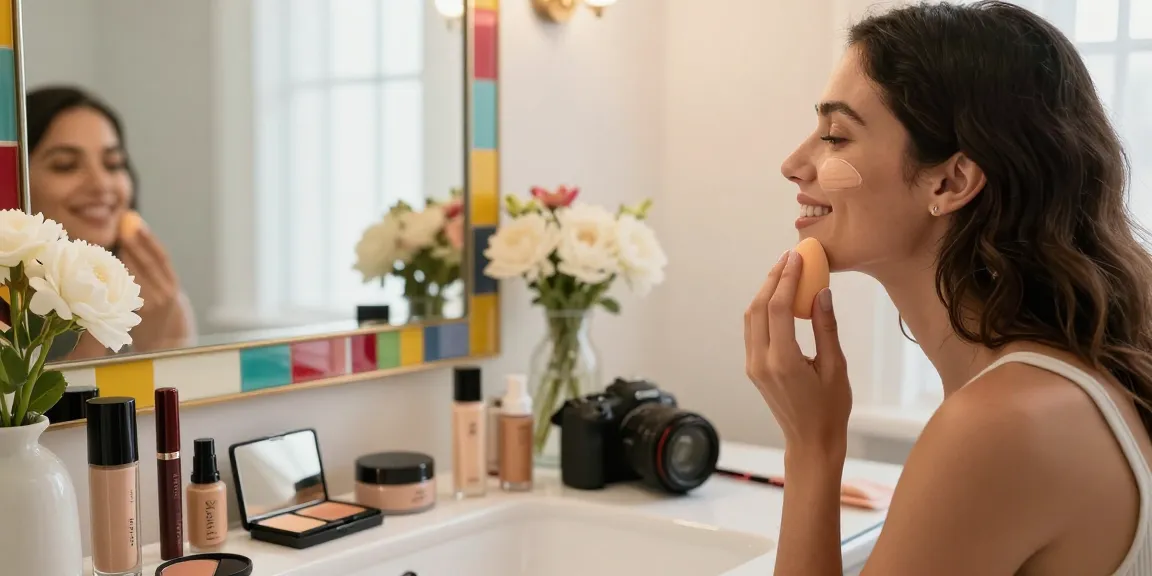
Understanding Silicone Sponge Makeup
In the ever-evolving world of cosmetics, makeup application methods have continuously been refined to enhance beauty and simplify routines. One such innovation is the silicone sponge, a tool that has gained immense popularity for its unique qualities. Unlike traditional sponges, silicone sponges promise a flawless application, minimal product waste, and easy cleaning. As makeup enthusiasts increasingly seek products that complement their commitment to sustainability, understanding how silicone sponge makeup works can be invaluable.Silicone sponge makeup is gaining traction due to its practicality and effectiveness.
What is Silicone Sponge Makeup?
Silicone sponge makeup refers to the use of silicone-based sponges for applying various cosmetics, such as foundation and concealer. These sponges are typically made from solid silicone, which does not absorb any moisture or product, allowing for a seamless finish with less waste. Unlike their foam counterparts that soak up liquids, silicone sponges provide a more hygienic and efficient way to apply makeup.
Benefits of Using Silicone Sponges
- Minimal Product Absorption: Silicone sponges do not absorb makeup, which translates to less product being wasted during application.
- Easy to Clean: Silicone's non-porous surface makes cleaning quick and straightforward, as makeup residue can be easily wiped away.
- Durability: Unlike traditional sponges, silicone sponges are durable and can last much longer, making them a cost-effective choice.
- Hygienic: Silicone resists bacterial growth better than fabric or foam sponges, resulting in a more hygienic application method.
- Flawless Application: The unique texture of silicone sponges allows for a smooth and airbrushed finish, making them ideal for achieving natural looks.
How Silicone Sponges Compare to Traditional Sponges
When compared to traditional makeup sponges, silicone sponges exhibit several notable differences. While traditional sponges absorb liquids, resulting in a fuller application, they also lead to product wastage. Silicone sponges, on the other hand, do not absorb foundation, allowing users to use only what is necessary. As a result, they tend to create a more airbrushed effect without the risk of caking, especially when layering products.
Choosing the Right Silicone Sponge
Types of Silicone Sponges Available
In the market, consumers can find various types of silicone sponges tailored to different makeup needs. Typical forms include:
- Flat Silicone Sponges: Perfect for applying foundation or base makeup, these have a large surface area for quick application.
- Silicone Wedges: Ideal for contouring and blending in hard-to-reach areas, these sponges have angled edges.
- Gelled Silicone Sponges: These sponges have a soft, cushioned feel, offering the same benefits while providing flexibility for improved blending.
Factors to Consider When Selecting Your Sponge
- Material Quality: Look for high-grade silicone that is free of harmful additives.
- Shape and Size: Choose a size and shape that fits the areas you typically apply makeup to.
- Ease of Cleaning: Opt for sponges that can be easily cleaned and maintained.
How to Identify Quality Silicone Sponges
To ensure you're investing in a high-quality silicone sponge, consider the following:
- Check Reviews: Read product reviews to gauge other users' experiences.
- Examine the Texture: Quality silicone sponges should have a smooth, even surface without imperfections.
- Evaluate Flexibility: Good silicone sponges should be flexible enough to adapt to the contours of the face.
Mastering the Art of Application
Techniques for Flawless Foundation Application
To achieve the best results with silicone sponges, it's essential to master proper application techniques. Start by applying your chosen foundation directly to the sponge or your face. Use a gentle tapping motion to blend the product into your skin, focusing on areas needing more coverage. It's crucial to avoid dragging the sponge, which can lead to streaks.
Blending Tips for a Seamless Finish
For seamless blending, ensure your sponge is clean and free of any previous product residue. Use the edge of the sponge for more defined areas, such as around the eyes and nose. Additionally, working in sections rather than covering your entire face at once can help maintain control over the application.
Common Mistakes to Avoid with Silicone Sponges
- Overloading the Sponge: Using too much product can lead to a heavy finish. Start with a small amount and build up as necessary.
- Not Cleaning Regularly: Failing to clean your sponge can lead to bacteria buildup and affect makeup application.
- Neglecting to Use Moisturizer: Applying makeup on dry skin can lead to a patchy finish. Always prep your skin with a moisturizer.
Caring for Your Silicone Sponge
Proper Cleaning Techniques
To maintain the quality and hygiene of your silicone sponge, it's vital to clean it regularly. You can do this by using mild soap and water, or a specialized sponge cleanser. Simply lather the sponge, rinse thoroughly, and let it air dry. This will prevent any product buildup and ensure a flawless application every time.
How to Store Your Silicone Sponge
Store your silicone sponge in a cool, dry place away from direct sunlight. Consider using a mesh bag or a designated container to keep it clean and protected from dust. Proper storage will help extend its lifespan and maintain the quality of the material.
Maintaining Longevity in Your Makeup Tools
To further prolong the life of your silicone sponge, avoid using it with products that have thick or heavy consistencies, as these can create stubborn residues. Regular cleaning and proper handling will ensure your sponge remains effective and hygienic.
Future Trends in Makeup Application Tools
Emerging Innovations in Makeup Sponges
As consumer demand for sustainable and effective beauty tools rises, emerging innovations in makeup sponges are expected to focus on improved materials that enhance performance while being environmentally friendly. Brands are exploring biodegradable options and advanced silicone formulations that offer even better results without compromising on ethics.
Predictions for Makeup Application in 2026
By 2026, the evolution of makeup tools like silicone sponges will likely include technology integration, such as sponges that can monitor skin condition and adjust product application accordingly. Additionally, we may see enhanced customization options that allow consumers to choose sponges tailored to their unique skin types and makeup routines.
How to Stay Ahead in Makeup Trends
To keep up with evolving makeup trends, regularly follow beauty blogs, attend industry events, and engage with beauty influencers. Participating in discussions around product efficacy and new techniques can also provide valuable insights into what to expect in the future.