The Evolution of CNC Glass Cutting Technology
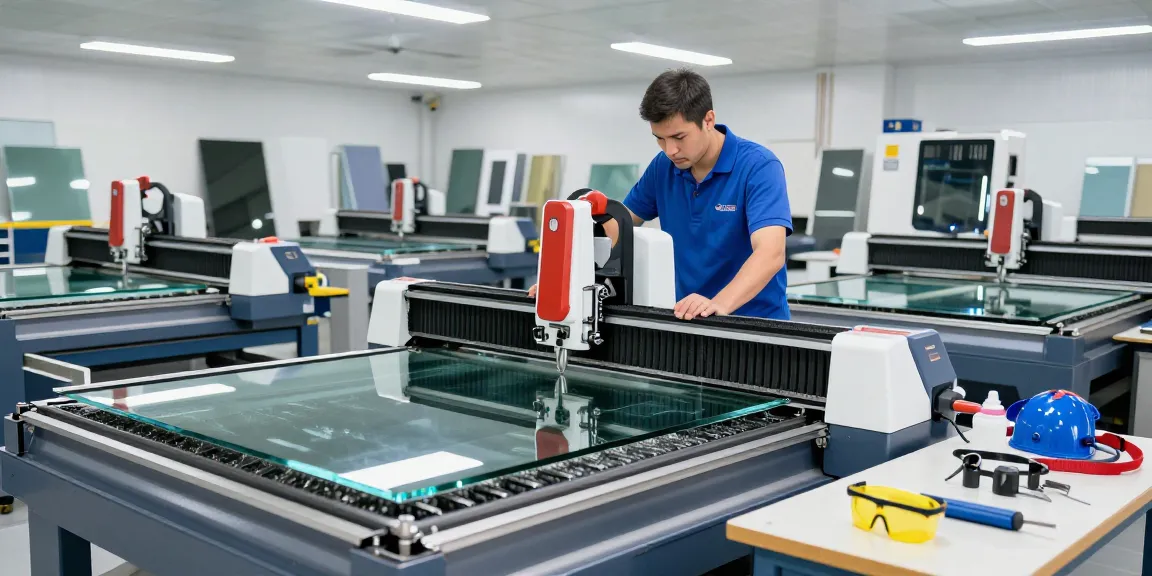
Over the years, the glass processing industry has witnessed remarkable advancements, particularly in CNC (Computer Numerical Control) technology. This evolution has not only enhanced the precision and quality of glass cutting but also revolutionized the entire production process. In 2026, the focus is on integrating advanced features into CNC glass cutting machines, tailoring solutions to meet diverse industry demands. As manufacturers strive for efficiency and innovation, understanding the trajectory of CNC technology becomes crucial for selecting the right type of machinery suited for specific needs. For those considering an investment in this technology, exploring options, glass cutting machine cnc provides comprehensive insights into available solutions.
History and Development of CNC Machines
The concept of CNC machinery emerged in the 1950s, initially applied in metalworking. However, the glass industry gradually adopted this technology as manufacturers sought to improve cutting techniques. Early CNC machines were primarily limited to simple cuts and lacked the sophisticated capabilities available today. With the introduction of software improvements and hardware enhancements, the functionality of CNC glass cutting machines expanded significantly. These advancements opened new avenues for precision cutting and complex shapes, allowing businesses to cater to more demanding customer specifications.
Key Technological Innovations in 2026
As we look towards 2026, several innovations are poised to redefine CNC glass cutting technologies. For instance, the integration of artificial intelligence (AI) and machine learning algorithms enables machines to learn from past cutting jobs, making real-time adjustments to optimize performance. Additionally, advancements in sensor technologies have improved the alignment and positioning of glass sheets, minimizing errors and reducing waste.
Another notable innovation is the development of hybrid cutting techniques, combining traditional cutting with laser technology. This synergy allows for enhanced versatility and accuracy, enabling users to cut intricate designs with ease. Furthermore, improvements in the materials used for cutting heads have led to longer-lasting and more efficient tools, drastically reducing downtime for replacements.
Future Trends in Glass Processing Equipment
The future of glass processing equipment lies in automation and smart technologies. Machines equipped with IoT (Internet of Things) capabilities will communicate with other equipment in the production line, enhancing overall workflow efficiency. Projects will require fewer manual interventions, streamlining operations and lowering labor costs.
Additionally, sustainability will reign as a central theme in future glass processing innovations. Manufacturers will increasingly focus on energy-efficient machines and processes that minimize environmental impact. Companies that embrace these green practices are likely to gain a competitive edge in the market.
Benefits of Using CNC Glass Cutting Machines
CNC glass cutting machines bring a plethora of benefits to manufacturers in the glass processing sector. From precision cutting to operational efficiency, the value offered by these machines can significantly enhance production capabilities and output quality.
Precision and Efficiency in Production
One of the most significant advantages of CNC glass cutting technology is the consistency and precision it offers. Unlike manual cutting methods, CNC machines accurately follow design specifications, ensuring every segment of glass is cut to exact dimensions. This precision reduces the likelihood of errors that could lead to costly reworks or scrap material.
Cost Savings and Reduced Waste
By minimizing waste through precise cuts and optimizing material usage, CNC machines contribute to significant cost savings. When manufacturers can utilize raw materials more efficiently, they not only reduce production costs but also boost sustainability efforts by diminishing overall waste output.
Enhanced Safety Features of Modern Machines
Modern CNC glass cutting machines come equipped with enhanced safety features that prioritize operator protection. These features include automatic shut-off functions, advanced locking mechanisms, and enhanced visibility during operation. By implementing these safety protocols, companies can reduce accidents on the shop floor, creating a safer working environment for employees.
Choosing the Right CNC Glass Cutting Machine for Your Needs
Selecting an appropriate CNC glass cutting machine requires careful consideration of various factors, ensuring the chosen equipment aligns with production goals and operational requirements. The right machine can lead to enhanced efficiency and productivity, while the wrong choice can lead to losses and inefficiencies.
Factors to Consider: Size, Speed, and Capability
When evaluating different CNC glass cutting machines, it's essential to consider the size of the glass sheets being processed. Larger machines are capable of handling bigger sheets, while compact models may better suit smaller operations. Additionally, the speed of the machine plays a critical role in overall productivity—higher speeds allow for increased output without sacrificing precision.
The machine's capabilities also matter; certain models might excel in straight cuts, while others are better suited for intricate shapes or engravings. Assessing the specific needs of your operation will guide you toward the optimal choice.
Comparing Different Models on the Market
Conducting thorough comparisons of various models is crucial in the selection process. Look at specifications such as cutting speed, software capabilities, and the range of materials supported. Reading user reviews and case studies can provide valuable insights into the performance and reliability of different CNC glass cutting machines.
Expert Recommendations for Best Practices
Consulting with industry experts can also help clarify which machines are best suited for your needs. Attend trade shows, webinars, and manufacturer presentations to discover cutting-edge technologies and learn about best practices in maintenance and operation. Tailoring the selection process to include expert input ensures that the right decisions are made based on practical insights and real-world use cases.
Maintenance and Troubleshooting for CNC Glass Cutting Machines
Proper maintenance is vital for keeping CNC glass cutting machines operating at optimal levels. Implementing a structured maintenance schedule can prolong the lifespan of the equipment and prevent unplanned downtime that can disrupt production.
Routine Maintenance Tips for Longevity
Routine inspections, cleaning, and lubrication of essential components are vital for maintaining machine performance. Operators should also monitor wear and tear on cutting tools, replacing them promptly to ensure consistent cutting quality. Regular software updates can enhance performance and add new features, ensuring the machine remains relevant in a rapidly evolving technological landscape.
Common Issues and How to Resolve Them
Common issues with CNC glass cutting machines include misalignment, inconsistent cutting patterns, and software glitches. Regular calibration can address misalignment, while troubleshooting software can resolve many operational challenges. Familiarizing yourself with the common troubleshooting techniques for your specific model will empower your team to address issues swiftly, minimizing downtime.
Upgrading Software and Hardware for Optimal Performance
As technology advances, consider upgrading both software and hardware components of your CNC glass cutting machines. New software often includes improved functionalities and user interfaces, increasing operational efficiency. Hardware upgrades, such as enhanced cutting heads or additional accessories, can further boost machine capabilities, offering greater versatility in production.
The Future of Glass Processing: Insights for 2026 and Beyond
Looking ahead, the glass processing industry is poised for transformative growth. With advancements in technology and evolving market needs, businesses that adapt to these changes will thrive in a competitive landscape.
Emerging Trends in Glass Cutting Techniques
Emerging trends indicate a shift toward integrated solutions that combine various glass processing functions. This shift encourages manufacturers to seek all-in-one machines that offer not only cutting capabilities but also washing, edging, and sealing, enhancing efficiency throughout the production line.
Integrating Automation in Glass Processing
Automation will continue to shape the future of glass processing. From robotic arms to automated loading systems, integrating intelligent automation will streamline operations, significantly reducing labor requirements and enhancing safety. This shift towards automation requires manufacturers to rethink their production strategies, focusing on leveraging technology to optimize workflows.
Predictions for the Industry’s Evolution in the Next Decade
As we progress further into the 2020s, the glass processing industry will likely experience increased competition and demand for customization. Innovations in customization technologies will allow for more complex and personalized glass products, catering to specific architectural and design needs. Businesses that embrace flexibility, sustainability, and technology will set themselves apart in the market.