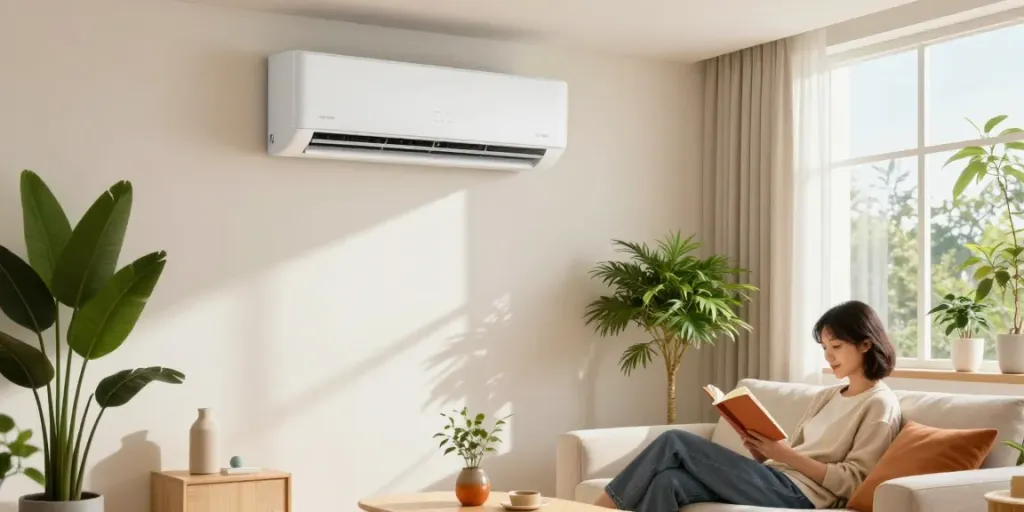
Understanding the Mini Split 12000 BTU System
As homeowners seek efficient and versatile cooling solutions for their living spaces, the mini split 12000 btu system has emerged as a popular choice. These systems, which combine both air conditioning and heating capabilities, offer remarkable energy efficiency, ease of installation, and a level of control that traditional HVAC systems cannot match. In this article, we will explore the essential features, benefits, and common misconceptions associated with 12000 BTU mini split systems, helping you understand why they are an excellent investment for your home or office.
What is a Mini Split 12000 BTU?
A mini split 12000 BTU unit is a type of ductless air conditioning system designed to efficiently cool or heat areas up to 750 square feet. The unit consists of two main components: an outdoor condenser and an indoor air handling unit. The refrigeration lines connect these two components, allowing for the transfer of refrigerant to cool or heat air as needed. This system is particularly useful for homes without existing ductwork or for those seeking to minimize energy loss associated with traditional ducted systems.
Key Features and Benefits
- Energy Efficiency: Mini splits typically have high Seasonal Energy Efficiency Ratios (SEER), making them more energy-efficient than traditional units. A 12000 BTU system can provide significant savings on energy bills.
- Individual Room Control: Each indoor unit can be controlled independently, allowing for personalized comfort settings in different rooms.
- Quiet Operation: Mini split systems operate quietly, with noise levels often below that of traditional air conditioning systems, making them ideal for bedrooms and offices.
- Space-Saving Design: The compact design of mini split systems means they take up less space than conventional HVAC units, allowing for more flexible placement options.
Common Misconceptions About Mini Splits
Despite their growing popularity, several myths persist about mini split systems. One common misconception is that they are only for cooling. In reality, many mini split units also provide heating capabilities, making them a year-round solution. Another myth is that these systems are too expensive to install. While the upfront cost can be higher than traditional systems, the energy savings and versatility can offset this expense over time.
Choosing the Right Mini Split for Your Space
When selecting a mini split 12000 BTU system, you'll want to consider how it fits within the specific requirements of your space. Making informed decisions can greatly enhance your comfort and energy efficiency.
Calculating the Required BTUs for Different Rooms
Understanding how to calculate the required BTUs for various rooms is crucial. Factors such as room size, insulation quality, and geographical location can influence the appropriate BTU rating. For most residential spaces, the following guidelines apply:
- Small bedrooms (100-200 sq. ft.): 5,000-6,000 BTU
- Medium bedrooms (200-300 sq. ft.): 7,000-8,000 BTU
- Large bedrooms/living rooms (300-400 sq. ft.): 9,000-12,000 BTU
A 12000 BTU mini split system is ideal for spaces around 450-600 square feet, such as large bedrooms or small living areas.
Factors to Consider for Installation
Several important factors influence the installation of a mini split system:
- Location: The placement of indoor and outdoor units can affect efficiency. Ensure outdoor units have proper airflow and are mounted in shaded areas where possible.
- Electrical Requirements: Check the electrical standards for your home to ensure compatibility with the mini split system's needs.
- Installation Space: Make sure there is enough clear space around the units for maintenance and servicing.
Comparing Brands and Models
When purchasing a mini split 12000 BTU system, it’s essential to compare different brands and models. Look for systems with high SEER ratings, reliable warranties, and customer reviews. Brands like Daikin, Mitsubishi, and LG are generally recognized for their quality and performance, but newer market entrants may offer competitive features at lower prices.
Installation Tips for Your Mini Split 12000 BTU
Whether you choose to install your mini split system yourself or hire a professional, understanding the installation process can help you prepare effectively.
DIY Installation vs Professional Help
While many homeowners opt for DIY installation to save on costs, it’s crucial to assess your skills and the complexity of the installation. Professional installation ensures compliance with local codes and can often be completed quickly, guaranteeing a proper setup. Additionally, many manufacturers require professional installation for warranty coverage.
Essential Tools and Materials Needed
If undertaking a DIY installation, here are some essential tools and materials you will need:
- Drill and drill bits
- Refrigerant lines
- Electrical wiring and connectors
- Mounting brackets
- Insulation materials
Step-by-Step Installation Guide
- Choose a suitable location for both the indoor and outdoor units.
- Mount the indoor unit on the wall using the provided brackets.
- Drill a hole through the wall for the refrigerant lines and electrical wiring.
- Connect the refrigerant lines from the indoor unit to the outdoor unit.
- Secure the outdoor unit on a stable surface, ensuring proper airflow.
- Turn on the system and check for leaks before finalizing connections.
Maximizing Efficiency and Performance
To ensure your mini split 12000 BTU system operates at peak efficiency, implement the following strategies:
Energy-Saving Tips for Mini Split Systems
- Set the Thermostat Wisely: Maintain the thermostat at a moderate temperature to save energy. During summer, aim for 75°F to 78°F when home.
- Regularly Clean Filters: Dirty air filters can restrict airflow and reduce efficiency. Clean or replace filters every month during peak usage.
- Use Eco Mode: Many systems feature an eco mode that optimizes energy use based on your settings.
Regular Maintenance Practices
Frequent maintenance can enhance the lifespan and efficiency of your mini split system. Schedule annual check-ups with a professional technician to ensure all components function correctly, and keep an eye on common issues such as refrigerant leaks or electrical malfunctions.
Signs that Your Mini Split Needs Repair
Be aware of the following signs that may indicate your mini split 12000 BTU system needs repair:
- Unusual noises or vibrations during operation.
- Inadequate cooling or heating performance.
- Increased energy bills without a change in usage patterns.
- Visible leaks or moisture around the unit.
Future Trends in HVAC Systems for 2026 and Beyond
As the HVAC industry evolves, several key trends are emerging that will shape the future of mini split systems.
Emerging Technologies in Mini Split Systems
Advancements such as variable refrigerant flow (VRF) technology enable more precise temperature controls and increased efficiency. These systems can adjust the refrigerant flow based on the heating or cooling demands of individual zones.
Smart Home Integration and Automation
With the rise of smart home technology, many mini split systems now offer connectivity features that allow users to control settings remotely through HVAC apps. This integration increases convenience and can lead to energy savings.
Eco-Friendly Innovations in Cooling Solutions
As environmental awareness grows, manufacturers are developing eco-friendly refrigerants and systems that minimize carbon footprints. Expect to see more units utilizing R-32 refrigerant or other low-impact alternatives.
In conclusion, investing in a mini split 12000 BTU system can be a smart decision for homeowners seeking energy efficiency and enhanced comfort. By understanding the nuances of these systems, comparing options, and following best practices for installation and maintenance, you can ensure that your investment pays off for years to come.