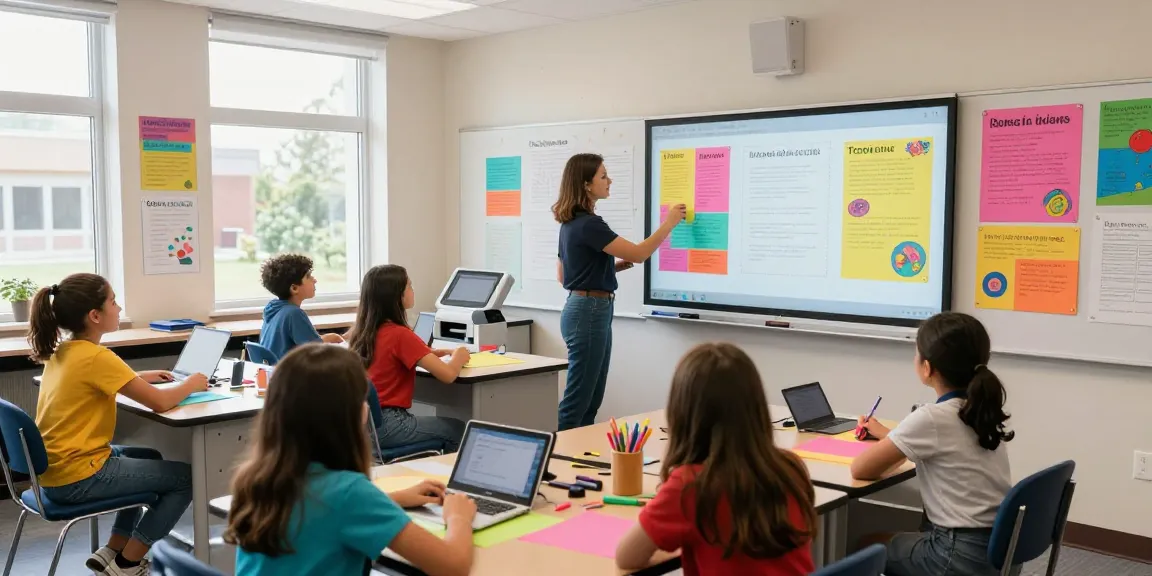
Understanding AI's Role in Educational Content Creation
As the landscape of education continues to evolve, the integration of Artificial Intelligence (AI) in educational content creation becomes paramount. AI not only enhances the way educators develop articles, but it also transforms how students engage with content. By employing AI tools, teachers can streamline their workflow, ensure the creation of high-quality materials, and cater to diverse learning needs. This article will explore effective strategies and tools for how to create educational articles with AI, alongside the implications of AI in education.
What is AI in Education?
AI in education refers to the application of artificial intelligence technologies to facilitate learning processes. It encompasses a range of tools and systems designed to assist teachers and students in various educational settings. From personalized learning experiences that cater to individual student needs to automated grading systems that reduce educators' workloads, AI plays a pivotal role in modern classrooms.
Benefits of Using AI for Article Creation
The adoption of AI in educational article creation offers numerous benefits:
- Efficiency: AI can quickly generate outlines, suggest topics, and even draft sections of articles, saving valuable time for educators.
- Personalization: AI can recommend content based on student preferences or learning styles, enhancing engagement.
- Data-Driven Insights: AI systems can analyze student performance data, helping educators create targeted content that addresses specific areas of difficulty.
- Accessibility: AI tools can help break down complex topics into easily digestible formats, making educational materials accessible to a wider audience.
Common Misconceptions about AI in Learning
Despite the growing presence of AI in education, several misconceptions can hinder its effective integration:
- AI Replaces Teachers: One common myth is that AI will replace educators. In reality, AI is a tool designed to support teaching, not to replace human connection.
- AI is Only for Large Institutions: Many believe that only large schools and universities can afford AI tools. However, there are numerous affordable AI resources available for educators at all levels.
- AI Lacks Creativity: While AI may not replicate human creativity, it can assist in generating ideas and drafting content that educators can enhance with their unique insights.
Getting Started: Tools and Platforms for Educational Articles
Top AI Tools for Educators in 2026
The market is saturated with AI tools designed for educational content creation. As we look to 2026, several tools are making waves:
- ChatGPT: Known for its conversational abilities, it can assist in brainstorming ideas and drafting content.
- Grammarly: While primarily a grammar-checking tool, it also offers suggestions for clarity and engagement, essential for educational writing.
- Quillionz: An AI-driven tool designed specifically for educators, helping them create quizzes and educational content efficiently.
How to Choose the Right Tool for Your Needs
Selecting the best AI tool requires careful consideration of several factors:
- Budget: Determine how much you are willing to invest in AI solutions.
- Usability: The interface should be user-friendly, especially for those who may not be tech-savvy.
- Features: Identify what capabilities are essential for your teaching—content generation, editing, or analytics.
- Support and Community: Look for tools that provide robust support and have an active user community for troubleshooting and shared insights.
Integrating AI Tools into Your Teaching Workflow
Successful integration of AI tools into the educational workflow involves a few strategic steps:
- Training: Provide professional development for educators on how to use AI tools effectively.
- Feedback Loop: Encourage feedback from students about AI-generated content to improve its relevance and engagement.
- Regular Updates: Stay informed about advancements in AI technology to leverage new features and tools.
Best Practices for Crafting Educational Articles with AI
Creating Engaging Content with AI Assistance
While AI can generate content, the human touch is essential for engagement. Consider these practices:
- Personalization: Tailor content to the interests and needs of your audience.
- Inclusivity: Use language and examples that resonate with diverse learner backgrounds.
- Interactive Elements: Incorporate quizzes and discussion prompts to foster deeper engagement.
Ensuring Accuracy and Relevance in Your Articles
AI-generated content can sometimes include inaccuracies. Hence, it is essential to:
- Fact-Check: Always verify facts and information provided by AI systems.
- Cite Sources: Include citations for data and studies referenced in AI-generated content.
- Stay Current: Regularly update content to reflect the most recent information and educational standards.
Balancing AI Suggestions with Human Insight
AI can provide valuable suggestions, but human insight is irreplaceable. Balancing both can enhance article quality:
- Review AI Outputs: Always review and refine AI-generated content to align it with your teaching philosophy.
- Add Personal Notes: Include anecdotes or personal experiences to enrich the narrative.
Case Studies: Successful AI-Enhanced Educational Articles
Examples from Leading Educators
Several educators have successfully integrated AI tools into their content creation processes. For instance:
- An educator used ChatGPT to generate lesson plans which were later customized, resulting in a 30% increase in student engagement.
- Another case involved a university professor who implemented Grammarly to enhance the clarity of their published research articles, receiving positive feedback for improved readability.
Lessons Learned from AI Implementations
Implementing AI in educational content creation has taught educators valuable lessons:
- AI can save time but should not replace critical teaching insights.
- Collaboration between AI systems and human educators leads to superior outcomes for students.
Future Trends in AI for Educational Content
The future of AI in educational content creation holds exciting possibilities, including:
- Greater Personalization: Future AI tools will likely offer even more personalized content based on individual learner data.
- Enhanced Collaboration: Expect AI and educators to form dynamic partnerships that can lead to innovative teaching methodologies.
Measuring Success and Effectiveness of AI-Generated Articles
Key Metrics for Evaluating Educational Content
To determine the effectiveness of AI-created articles, consider monitoring:
- Engagement Metrics: Track how students interact with content through analytics.
- Performance Outcomes: Assess student performance before and after implementing AI-enhanced materials.
Feedback Collection from Students and Peers
Direct feedback from students and colleagues is invaluable. Use surveys and focus groups to gather insights on:
- Content clarity and relevance
- Overall engagement and interest levels
Adapting Strategies Based on Performance Data
AI-generated data can inform adjustments in teaching strategies. Regularly review:
- Student performance data to identify trends and areas for improvement.
- Content engagement metrics to refine and update materials accordingly.
What are the ethical considerations when using AI for educational writing?
When leveraging AI for educational writing, ethical considerations include:
- Ensuring AI does not perpetuate bias in generated content.
- Maintaining transparency about the use of AI tools in the classroom.
How can teachers effectively collaborate with AI?
To collaborate effectively with AI, teachers should:
- Utilize AI-generated insights to inform lesson plans and materials.
- Engage in continuous learning about AI capabilities and updates.
What are the limitations of AI in education?
While AI presents numerous advantages, it has limitations such as:
- Inability to replicate emotional intelligence and human experience.
- Potential oversights in context-specific nuances that only an educator can address.
Are there specific legal issues related to AI-generated content?
Legal considerations regarding AI-generated content include copyright issues and attribution rights. Educators must:
- Ensure original ideas are properly cited and understood when AI tools are used.
- Stay updated on copyright laws as they pertain to AI-generated content.
How to keep AI tools updated with the latest educational trends?
Staying informed about educational trends involves:
- Participating in professional development and training.
- Regularly reviewing updates and features offered by AI tool providers.