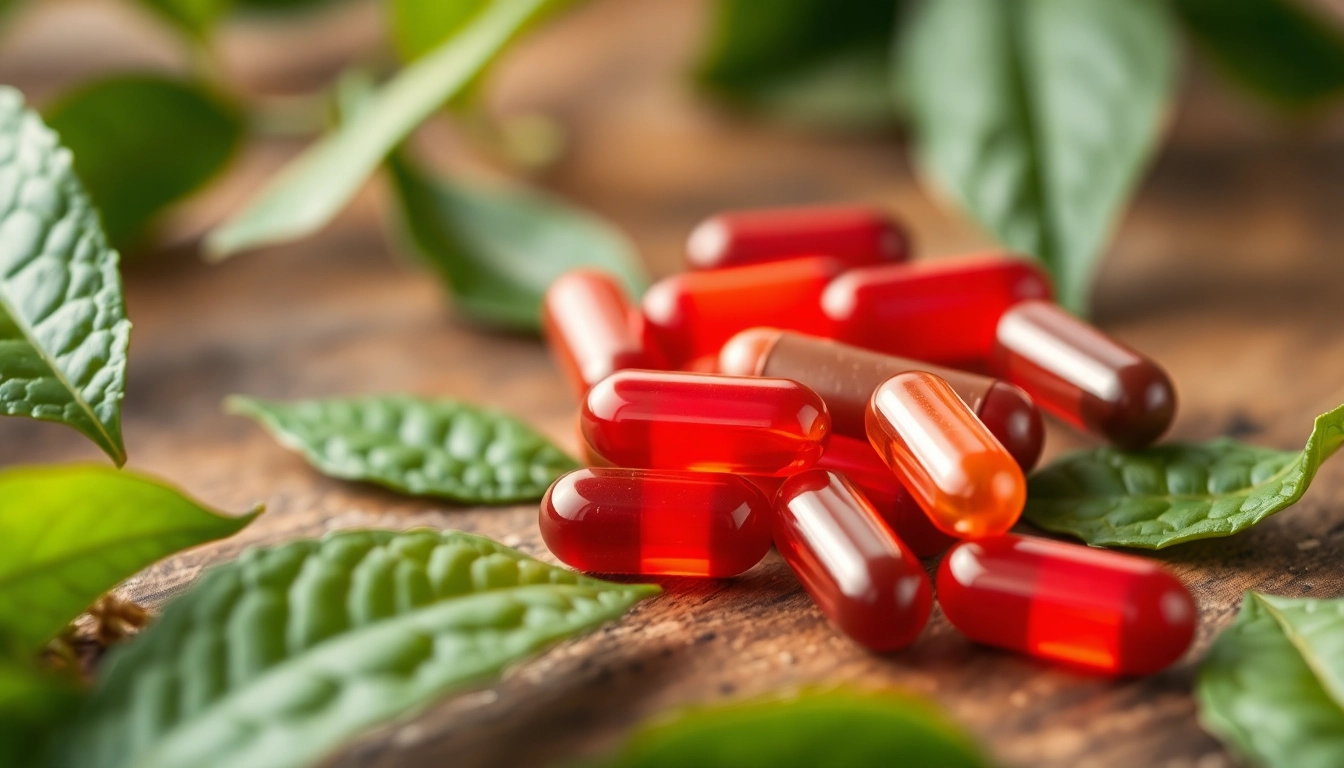
Understanding Astaxanthin
What is Astaxanthin?
Astaxanthin is a carotenoid, a class of compounds that gives red, orange, and yellow pigments to various plants and marine animals. This powerful antioxidant is primarily found in microalgae and seafood, particularly in the shells of shrimp, krill, and the feathers of salmon. Astaxanthin is celebrated not only for its vibrant color but also for its numerous health benefits that contribute to overall well-being.
Health Benefits of Astaxanthin
Astaxanthin offers a range of health benefits backed by scientific research. Some notable benefits include:
- Antioxidant Power: Astaxanthin is one of the most potent antioxidants, surpassing other compounds like vitamin C and vitamin E. It helps neutralize free radicals in the body, which can reduce oxidative stress.
- Anti-Inflammatory Properties: Research indicates that astaxanthin can lower inflammation markers, making it a potential aid in conditions associated with chronic inflammation.
- Skin Health: Astaxanthin is often used in skincare products for its ability to improve skin elasticity, reduce fine lines, and protect against UV damage.
- Eye Health: It may help protect the eyes from age-related macular degeneration and reduce eye fatigue, particularly for those who spend long hours in front of screens.
- Heart Health: This carotenoid has been linked to improved cholesterol levels and reduced arterial stiffness, contributing to cardiovascular health.
Sources of Astaxanthin
Astaxanthin can be sourced from both dietary and supplement forms. The richest natural sources include:
- Microalgae: The primary source is Haematococcus pluvialis, which is often used in supplements.
- Seafood: Salmon, shrimp, and crab are excellent food sources of astaxanthin.
- Supplement Form: Available as capsules, softgels, and powders, supplements are a convenient way to ensure adequate intake.
Determining the Best Astaxanthin Dosage
Factors Influencing Dosage
Determining the best astaxanthin dosage is influenced by several factors:
- Age: Nutritional needs change with age, and older adults may require different dosages.
- Health Goals: Individuals seeking specific health benefits, such as joint health or skin improvement, might adjust their intake accordingly.
- Body Weight: Heavier individuals may need a higher dosage to achieve similar effects as lighter individuals.
- Underlying Health Conditions: Those with chronic illnesses should consult healthcare professionals for personalized recommendations.
Recommended Daily Dosages
Typical dosages for astaxanthin often range from 4 to 12 mg per day, with many studies supporting this range for effectiveness. Here’s a breakdown:
- General Health: 6-8 mg per day is sufficient for maintaining overall wellness.
- Joint and Muscle Recovery: 8-12 mg per day can assist in reducing inflammation and aiding recovery post-exercise.
- Skin Health: For benefits related to skin appearance and UV protection, a daily intake of 4-8 mg is advisable.
For the best astaxanthin dosage, it’s important to consider these ranges alongside personal health goals.
Consulting with Healthcare Professionals
It’s crucial to consult with healthcare professionals before starting any new supplement regimen, especially for individuals with pre-existing health conditions or those taking other medications. A doctor or a licensed nutritionist can help tailor the dosage based on individual health needs and goals, ensuring safety and effectiveness.
Different Forms of Astaxanthin Supplements
Capsules vs. Powders
Astaxanthin supplements come in various forms—typically capsules or powders. Each has its pros and cons:
- Capsules: These are pre-measured dosages, convenient for travel, and generally have a longer shelf life.
- Powders: Powders may be more versatile for addition to smoothies or cooking but require careful measuring.
The choice between the two often depends on personal preference and lifestyle.
Choosing Quality Supplements
Not all astaxanthin supplements are created equal. Here are tips for selecting high-quality products:
- Source: Look for products derived from the Haematococcus pluvialis microalga.
- Purity: Check for third-party testing to ensure the absence of contaminants.
- Concentration: Make sure to review the astaxanthin content per serving to ensure effectiveness.
Understanding Labels and Dosage Information
Reading supplement labels can be tricky. Here’s how to navigate them effectively:
- Active Ingredient: Ensure that astaxanthin is listed as the main active ingredient along with the concentration per serving.
- Serving Size: Confirm that the serving size aligns with the recommended dosages discussed earlier.
- Additional Ingredients: Some products may contain fillers or allergens. Always read the ingredient list thoroughly.
Potential Side Effects and Interactions
Common Side Effects of Astaxanthin
While astaxanthin is generally considered safe, some individuals may experience side effects, including:
- Stomach upset or gastrointestinal discomfort.
- Skin discoloration in rare cases, particularly with excessive dosages.
- Changes in hormones or skin allergies for sensitive individuals.
Astaxanthin Interactions with Medications
Astaxanthin may interact with certain medications, particularly those that affect blood clotting or immune suppression. It’s essential to inform healthcare providers if taking anticoagulants or other similar medications to avoid potential interactions.
When to Avoid Astaxanthin
Astaxanthin should be avoided in certain situations:
- During pregnancy or breastfeeding unless under professional guidance.
- For those with specific allergies to seafood, as it may trigger allergic reactions.
- If undergoing surgery, consult with a healthcare professional to discuss timing and potential interactions.
FAQs about Astaxanthin Dosage
What is the ideal dosage for beginners?
For beginners, starting with 4-6 mg of astaxanthin daily is recommended. This allows the body to adjust while assessing personal tolerance and effectiveness.
Can I take astaxanthin with other supplements?
Yes, astaxanthin can generally be taken alongside other supplements. However, consult with a healthcare provider to ensure compatibility.
Is there a maximum safe dosage?
While 12 mg is considered a higher limit, not exceeding this dosage helps avoid potential side effects. Always consult a healthcare provider for personal recommendations.
How long does it take to see benefits?
Users often report benefits within two weeks of consistent use, with optimal results typically seen after a month or longer, depending on individual conditions.
Are there any dietary restrictions with astaxanthin?
There are no specific dietary restrictions when taking astaxanthin, but maintaining a balanced diet enhances its effects, especially with healthy fats for better absorption.