The Journey of Architectural Model Making
Architectural model making is not just a craft; it is an art form that bridges the gap between imagination and reality. Over the centuries, model making has evolved from rudimentary techniques to sophisticated processes woven with technological advancements. Today, an esteemed Architectural model maker Germany is pivotal in the realization of architectural visions, providing clarity and detail that plans alone cannot convey. This article will explore the rich history, the role of technology, and the future trends shaping the model-making industry.
Historic Techniques and Materials Used
In the early days, modelmakers utilized materials such as wood, clay, and paper to create representations of their designs. This craftsmanship required immense skill and attention to detail, as these early models were often crafted by hand, without the benefits of modern technology. Wooden models were particularly popular, allowing for intricate designs and durability. Over time, the introduction of materials like plastic and metal expanded the possibilities for model makers, enabling them to create more elaborate and realistic representations.
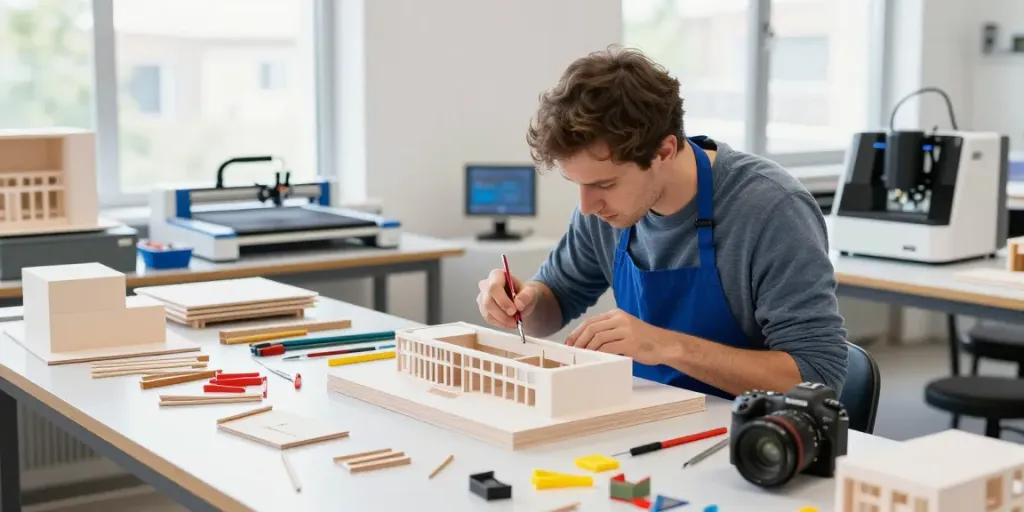
The techniques have also evolved. Where once artisans relied solely on hand tools, today's model makers often integrate CNC machines and 3D printers into their workflows, enhancing precision and efficiency.
Influence of Technology on Model Making
Technology has dramatically transformed architectural model making. CNC machining allows for cutting and shaping materials with incredible accuracy, while 3D printing has revolutionized the prototyping stage, making it easier to produce complex geometries that were once unimaginable. Software like SketchUp plays a crucial role in the design phase, allowing model makers to visualize and manipulate their creations in a virtual space before actual production.
Moreover, the digital age has introduced interactive and multimedia models, where elements like lighting and motion can be integrated for presentations, offering a dynamic experience that captures the imagination of clients and stakeholders alike.
Case Studies of Iconic Architectural Models
Throughout history, several iconic architectural models stand out as pivotal in the field. For instance, the model of the Sydney Opera House was crucial in demonstrating the potential of Jorn Utzon's vision. Initially viewed with skepticism, the intricate model helped communicate its unique design and influenced its eventual realization.
Similarly, the model for the One World Trade Center in New York served as a powerful symbol of resilience and innovation after the tragic events of September 11. These models not only serve as a guide for construction but also encapsulate cultural narratives and aspirations.
Understanding the Role of an Architectural Model Maker
Architectural model makers are vital collaborators in the development of projects. They transform sketches into tangible representations that facilitate understanding and communication among architects, clients, and builders. The role requires a blend of technical skills, creativity, and a deep understanding of architectural principles.
Key Skills Needed for Success
The successful model maker must possess a diverse skill set, including:
- Attention to Detail: Every element must be meticulously crafted to ensure accuracy.
- Technical Proficiency: Familiarity with tools and technologies, including CAD software, CNC machines, and 3D printers, is essential.
- Creative Problem-Solving: Each project presents unique challenges that require innovative solutions and adaptability.
Common Challenges Faced by Model Makers
Model makers often face various challenges, such as tight deadlines, budget constraints, and fluctuating client expectations. Additionally, transforming a 2D design into a 3D physical model can sometimes uncover unforeseen design issues that need to be addressed promptly. Maintaining quality across different materials and ensuring the model meets both aesthetic and functional requirements are also critical challenges.
Essential Tools and Technologies in 2026
The tools of the trade are continually evolving. In 2026, model makers are expected to employ advanced technologies such as augmented reality (AR) for interactive presentations, enabling clients to engage with designs in real-time. Furthermore, sustainable materials will play a significant role, as more designers seek to minimize their environmental impact.
Types of Models Created in the Industry
The diversity of architectural and industrial models is vast, reflecting the unique needs of various projects. Each type serves a specific purpose and caters to different stakeholders within the architecture, construction, and design sectors.
Presentation and Demonstration Models
These models are typically used to showcase a design concept to clients, investors, or the public. They often highlight key architectural elements and are crafted with a focus on aesthetics to leave a lasting impression. Using high-quality materials, these models are designed to be visually striking, often incorporating intricate details and finishing touches.
Competition and Urban Planning Models
In competitive contexts, models are essential tools for presenting proposals to juries and stakeholders. Urban planning models help visualize transformations in a cityscape, enabling planners to communicate the impact of their designs on the surrounding environment effectively. Such models often incorporate landscape elements and are created with a community-centric approach, considering the views and needs of local residents.
Custom Designs for Unique Projects
Every project is unique, and sometimes, a standard model does not suffice. Custom designs may include specialized features such as moving parts, lighting, or unique material applications. These models are often created for specific events, exhibitions, or to demonstrate innovative concepts that push the boundaries of typical architectural practices.
Quality and Customer Satisfaction in Model Making
In an industry where precision and aesthetics are paramount, maintaining a focus on quality and customer satisfaction is essential. The goals are not solely about creating beautiful models; they also involve delivering products that align with the client’s vision and project requirements.
Implementing Client Feedback into Designs
Effective communication with clients throughout the model-making process ensures that their feedback is incorporated. Regular updates and opportunities for client input can significantly enhance the final product. Utilizing digital mockups and previews allows clients to visualize changes before the final model is realized, which can save time and resources.
Importance of Material Quality and Finishing
The choice of materials plays a critical role in the perceived quality and durability of a model. High-quality finishes not only enhance the model’s appearance but also reflect the professionalism of the model maker. Hence, investing in quality materials and advanced finishing techniques is non-negotiable for achieving customer satisfaction.
Measuring Success and Client Satisfaction
Success in architectural model making can be measured through various metrics, including client satisfaction surveys, repeat business, and referrals. Collecting feedback after project completion allows companies to continuously improve their processes and offerings, ultimately leading to stronger client relationships and a solid reputation within the industry.
Looking Ahead: Trends and Innovations in Model Making
The future of architectural model making is poised for exciting changes and innovations. As technology continues to advance, so too will the possibilities for model makers. Keeping abreast of emerging trends is crucial for staying competitive in the industry.
Sustainable Practices and Eco-friendly Materials
As awareness of climate change grows, sustainability has become a significant trend in architectural practice. Model makers are increasingly sourcing eco-friendly materials and adopting processes that minimize waste. Innovations such as biodegradable plastics and recycled materials are gaining traction, allowing model makers to align their practices with the values of modern architects and clients.
Integration of Digital Technologies in Processes
The integration of digital technologies, including artificial intelligence (AI) and machine learning, is expected to enhance model-making processes. Predictive modeling could streamline design iterations, while VR and AR technologies allow immersive experiences that could redefine how models are presented and understood.
The Future of Architectural Model Making Beyond 2026
Looking forward, the architectural model-making landscape is set to evolve with even greater emphasis on customization and interactivity. As the technology continues to advance, we can expect models that not only represent physical spaces but also respond dynamically to data inputs, offering innovative solutions for urban planning and architecture.
Ultimately, architectural model makers will play an invaluable role in shaping the built environment, serving as both artists and engineers who harness technology to realize dreams in the fabric of cities.