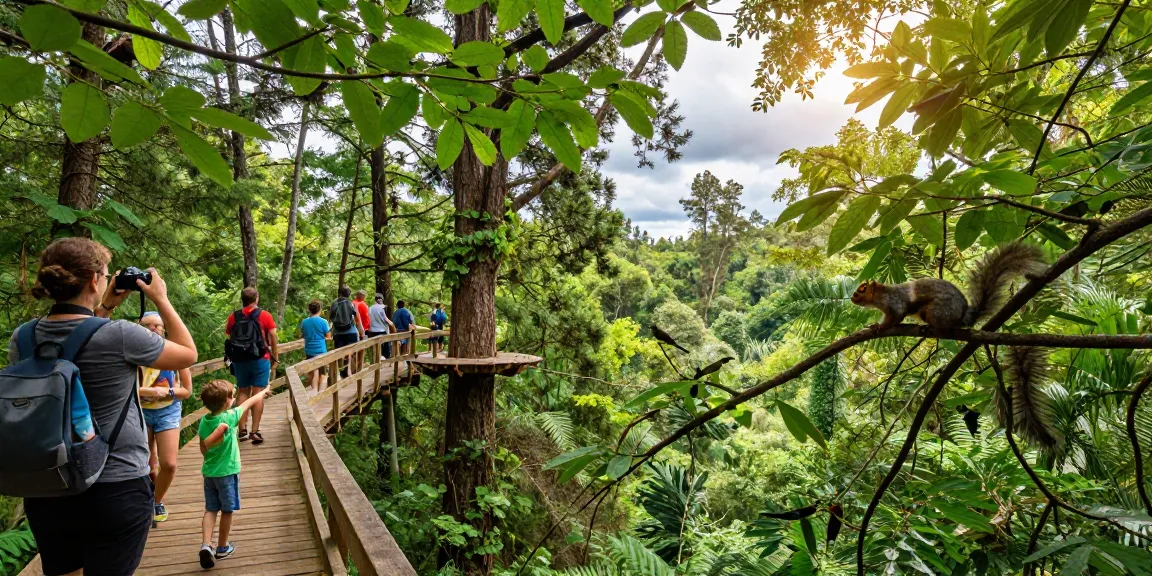
Understanding Treetop Walkways
As nature enthusiasts seek immersive experiences, Treetop Walkway attractions are gaining immense popularity. These elevated paths allow visitors to explore the beauty of forests from above, offering a unique perspective of the ecosystem. With stunning views and a chance to interact with wildlife, treetop walkways can transform a simple nature stroll into a remarkable adventure.
What is a Treetop Walkway?
A treetop walkway is an elevated pathway that enables pedestrians to walk among the canopies of trees, typically designed to blend harmoniously with the surrounding environment. These structures can vary in height, length, and materials, but all share the common goal of providing visitors with an unobstructed view of the forest and its inhabitants. From sturdy wooden planks to intricate metal frameworks, treetop walkways are crafted to ensure both safety and enjoyment.
History and Evolution of Treetop Walkways
Historically, the concept of walking among trees has been inspired largely by indigenous cultures that cherished their connection to nature. Modern treetop walkways, however, began to take shape in the late 20th century, with conservationists and ecologists recognising the potential for these structures to foster environmental awareness. The first notable installation was in the 1990s, and since then, they have evolved into intricate designs featuring bridges, viewing platforms, and educational signage.
Benefits of Experiencing a Treetop Walkway
Visiting a treetop walkway offers numerous benefits. For one, it allows individuals to engage with nature in a way that is both thrilling and educational. The elevated paths provide a unique vantage point to observe birds, insects, and other wildlife that inhabit the canopy layer, often overlooked from the ground. Additionally, treetop walkways promote physical activity, encouraging visitors to walk, hike, and explore while surrounded by breathtaking scenery.
Top Treetop Walkways in 2026
The charm of treetop walkways continues to capture hearts worldwide, with new installations emerging each year. Here, we explore some of the most popular and impressive locations where you can elevate your nature experience.
Most Popular Treetop Walkways Around the Globe
- Kew Gardens, London, UK: The Treetop Walkway at Kew takes visitors 18 metres above ground, winding among stunning oak and chestnut trees, and offering panoramic views of the gardens.
- Murch Canopy Walk, Ohio, USA: This 500-foot-long walkway reaches 65 feet above the forest floor, allowing visitors to experience the flora and fauna of the region's educational arboretum.
- Wild Walk, New York, USA: Located in the Adirondack forest, this unique pathway features tree houses, swinging bridges, and climbing structures for an adventurous experience.
- Bosco Verticale Walk, Milan, Italy: An architectural marvel, this vertical forest features elevated paths that weave through living trees, showcasing innovative urban greening solutions.
Unique Features of Notable Treetop Walkways
Each treetop walkway boasts unique characteristics that enhance the visitor experience. For example, the Wild Walk incorporates interactive structures such as a spider web climbing area and artistic installations, while the Murch Canopy Walk includes educational panels that inform guests about local wildlife and plant life. Such features not only make each walkway unique but also reinforce the importance of conservation and environmental awareness.
Visitor Experiences and Reviews
Feedback from visitors highlights the transformative nature of treetop walks. Many commend the breathtaking views and the serene atmosphere, which allows them to feel at one with nature. Common praises include the accessibility of these walks, enabling individuals of all ages and physical ability levels to participate. However, some visitors also advise planning ahead to avoid crowds, particularly during peak seasons, to ensure a more enjoyable experience.
Planning Your Visit to a Treetop Walkway
To make the most of your treetop walkway experience, proper planning is essential. Consider the following aspects to ensure a memorable adventure.
Best Times to Visit: Seasonal Considerations
Timing your visit can greatly impact your experience. Spring and autumn are popular seasons due to the mild weather and stunning foliage. However, each season offers its own charm: summer showcases lush greenery and vibrant wildlife, whereas winter might offer a magical snowy landscape. Always check local weather forecasts before you go!
Essential Gear and Preparation Tips
- Footwear: Wear comfortable, sturdy shoes suitable for walking on uneven surfaces.
- Clothing: Dress in layers to adapt to changing temperatures and ensure comfort.
- Supplies: Bring water, snacks, and a small backpack to carry essentials during your adventure.
Safety Guidelines for Enjoying Treetop Walks
While treetop walkways are designed for safety, it's important to follow guidelines to ensure a safe experience. Always adhere to posted rules, and be mindful of your footing. Supervise children closely and encourage them to stay within designated areas. Additionally, if you have a fear of heights, consider your comfort level before embarking on these elevated paths.
Conservation and Environmental Impact
Treetop walkways play a significant role in promoting environmental awareness and conservation efforts. By providing educational opportunities and fostering respect for nature, these structures encourage visitors to engage with their surroundings meaningfully.
The Role of Treetop Walkways in Ecological Awareness
Many treetop walkways incorporate informational displays and guided tours that focus on the importance of forest ecosystems. By educating visitors about the flora and fauna that thrive in these environments, walkways create informed advocates for conservation.
How Treetop Walkways Promote Biodiversity
These elevated paths allow visitors to explore various habitats without disturbing the ground level. By reducing human impact on sensitive ecosystems, treetop walkways can help sustain biodiversity and support conservation efforts for endangered species.
Community Involvement and Conservation Efforts
Many treetop walkways are developed and maintained with community involvement, highlighting local conservation efforts. Volunteer programs often accompany these projects, encouraging visitors to contribute to preserving the natural environment while they enjoy their experience.
Future Trends in Treetop Walkways
As eco-tourism rises, treetop walkways will continue to evolve. Innovations in design and technology are paving the way for exciting developments in the years to come.
Innovations in Design and Construction for 2026
Future treetop walkways are likely to incorporate sustainable materials and cutting-edge designs that enhance safety and minimise environmental impact. Features such as transparent walkways or self-guided audio tours can enrich the visitor experience while preserving the natural landscape.
Potential Expansion of Treetop Walkway Networks
With growing interest in eco-tourism, there is potential for expanding networks of treetop walkways across various regions. These interconnected paths can facilitate the exploration of larger areas while promoting conservation and education initiatives.
How Technology Enhances the Treetop Walkway Experience
Technology plays a crucial role in enhancing visitor experiences. From augmented reality applications that offer interactive tours to smart sensors that monitor environmental conditions, technological advancements can enrich treetop walks and make them more engaging for visitors.