
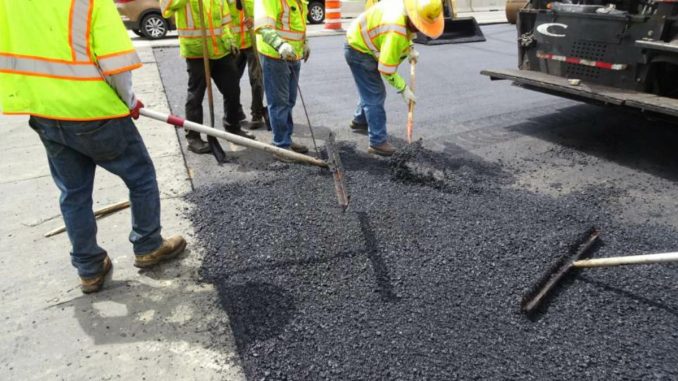
Modernizing a commercial property isn’t solely about interior renovations or technological upgrades. The layout and quality of your exterior spaces play a critical, often underestimated, role in attracting tenants, customers, and investors. A well-designed property grounds the entire user experience, influencing everything from first impressions to operational efficiency.
For commercial property owners and managers in Utah, modernizing your layout presents unique challenges and opportunities. The state’s climate demands durable, low-maintenance solutions that can withstand temperature extremes and seasonal precipitation. This is where professional paving becomes a foundational element of any modernization strategy, directly impacting aesthetics, safety, and functionality.
This guide will explore how strategic asphalt services can transform your commercial real estate layout. We’ll cover design principles that go beyond basic parking lots, examine material and process innovations, and provide actionable steps to plan and execute a project that elevates your property’s value and appeal.
The Foundation of Modern Layouts: Beyond Basic Parking
A modern commercial layout starts with recognizing that exterior surfaces are more than just utilitarian spaces. They are integral components of your property’s branding, user flow, and overall efficiency. Outdated, cracked, or poorly organized paving creates immediate negative perceptions and can even pose liability risks.
Contemporary design focuses on creating cohesive, intuitive, and multi-functional environments. This means viewing your paved areas—driveways, parking lots, loading zones, and pedestrian walkways—as a connected system. The goal is to guide traffic smoothly, maximize usable space, enhance safety, and create a polished, professional appearance that aligns with your property’s purpose.
Integrating Curb Appeal with Functionality
Curb appeal for commercial real estate is a business metric. A freshly paved, clearly marked, and well-lit parking area signals to potential tenants or customers that the property is well-managed and values their experience. Functionality is equally critical. Modern layouts use strategic paving to solve common problems: dedicated fire lanes that remain clear, efficient traffic flow patterns that reduce congestion, and clearly defined pedestrian paths that separate foot and vehicle traffic for safety. A cohesive asphalt plan ties these elements together into a single, high-performing asset.
Strategic Asphalt Applications for Layout Modernization
To modernize your commercial real estate layout, consider these specific asphalt applications that move beyond simple resurfacing.
Redesigning Traffic Flow and Parking Efficiency Many older commercial lots suffer from inefficient layouts that cause congestion and confusion. A modernization project can completely redesign the traffic pattern. This involves reconfiguring entrance and exit points, optimizing the number and angle of parking stalls (using 45° or 60° angles can increase capacity), and creating dedicated lanes for specific purposes like pickup/drop-off or truck access. Properly executed line striping is not an afterthought; it is the visual guide that makes the new flow intuitive. Working with experienced asphalt services Utah professionals ensures the design adheres to local codes and maximizes the property’s usable square footage.
Creating Multi-Purpose Paved Spaces Modern commercial properties benefit from flexible spaces. A large, plain asphalt lot can be segmented for multiple uses. For example, a section can be designated for seasonal events, food truck parking, or outdoor product displays. Using different colored asphalt sealants or thermo-plastic markings can visually define these zones without permanent structural changes. This flexibility makes the property more attractive to a wider range of tenants and events, increasing its revenue potential.
Enhancing Accessibility and Safety Compliance Modernization must prioritize accessibility. This includes ensuring compliant ADA (Americans with Disabilities Act) parking stalls, ramps, and smooth, slip-resistant pathways. Upgrading asphalt to include proper slope for drainage, adding tactile warning surfaces at curb ramps, and ensuring seamless transitions between surfaces are all critical. Furthermore, addressing drainage through proper grading and installation of trench drains within the asphalt prevents water pooling, a major safety hazard that leads to ice in winter and pavement deterioration year-round.
Material and Process Innovations in Commercial Asphalt
Today’s asphalt paving is not the same as decades past. Innovations in materials and installation processes contribute directly to a more modern, sustainable, and durable outcome.
Advanced Mix Designs and Polymer-Modified Asphalts Commercial-grade asphalt mixes now often include polymers or other additives. These modified asphalts are more flexible, resistant to cracking from thermal expansion and contraction, and better withstand heavy loads from delivery vehicles. They provide a smoother, more durable surface that requires less frequent repair, lowering the total lifecycle cost of your property’s paved assets.
Permeable Paving Solutions For properties looking to enhance sustainability and manage stormwater runoff, permeable asphalt is a significant innovation. This system allows water to drain through the pavement into a stone recharge bed and then into the soil below. It reduces the burden on municipal storm systems, can help meet local environmental regulations, and minimizes icy surfaces in winter by allowing drainage. Integrating permeable sections into loading areas or overflow parking can be a key differentiator for environmentally conscious tenants.
Precision Grading and Subbase Preparation A modern, long-lasting layout depends on what’s beneath the surface. Contemporary sitework involves laser-guided grading to ensure precise slopes for optimal drainage. A properly compacted and stabilized subbase—often using geotextile fabrics—is essential to prevent settling, potholes, and premature failure. This technical foundation is what separates a temporary fix from a permanent modernization investment. Partnering with skilled Utah asphalt paving contractors who utilize these advanced practices is crucial for a successful project.
Planning and Executing Your Modernization Project
A successful paving project requires careful planning and management. Rushing into repaving without a strategic plan can lead to wasted investment and operational disruption.
1. Conduct a Comprehensive Site Audit: Start by mapping current pain points: traffic bottlenecks, drainage issues, cracking patterns, and non-compliant areas. Document everything with photos and notes.
2. Develop a Phased Master Plan: Few properties can shut down completely for a full repave. Create a phased plan that prioritizes the most critical areas (e.g., main customer entrance) first, minimizing business interruption. This plan should include a 5-10 year maintenance schedule.
3. Select the Right Partner: Choose a contractor with extensive commercial experience, proper licensing and insurance, and a portfolio of similar projects. They should be willing to provide a detailed quote, explain their process, and offer a clear warranty.
4. Communicate with Stakeholders: Tenants, customers, and employees need clear communication about the project timeline, areas affected, and any temporary changes to access. Proactive communication maintains goodwill and reduces frustration.
5. Budget for Long-Term Value: While initial cost is a factor, prioritize quality materials and workmanship. A higher upfront investment in a properly designed and installed asphalt layout will yield lower maintenance costs and a longer service life, providing a far greater return on investment.
Frequently Asked Questions
How long does a commercial asphalt modernization project typically take?
The timeline varies dramatically based on scope. A simple restriping and sealcoating project on a small lot may take 1-2 days. A full-depth reconstruction with new drainage and a redesigned layout for a large property can take several weeks. Your contractor should provide a detailed schedule during the planning phase, factoring in weather delays, especially in Utah’s variable climate.
What is the cost range for modernizing a commercial parking lot with asphalt?
Costs are highly variable, calculated per square foot. Influencing factors include: extent of demolition/removal, subbase condition, asphalt mix type (standard vs. polymer-modified), drainage work, and the complexity of markings and signage. For budgeting purposes, obtain multiple detailed bids from qualified commercial contractors. While significant, this investment directly increases property value and tenant satisfaction.
Can asphalt be laid over an existing concrete surface?
It is possible but often not recommended for a long-term modernization solution. Asphalt and concrete expand and contract at different rates, which can lead to cracking and failure where the concrete joints telegraph through the new asphalt. A best practice is to remove the old concrete, repair and regrade the subbase, and then install a new, unified asphalt surface for optimal durability and performance.
How does Utah’s climate affect asphalt paving choices?
Utah’s hot summers and cold winters, with freeze-thaw cycles, are demanding on pavement. This makes the quality of the installation and the asphalt mix critical. Using a high-performance polymer-modified asphalt mix designed for thermal stress, ensuring perfect drainage to prevent water infiltration, and applying timely sealcoating are essential strategies to combat climate-related wear.
What maintenance is required after modernization?
A modernized asphalt layout requires a proactive maintenance plan. This includes sealcoating every 2-3 years to protect against UV rays and fuel spills, prompt crack sealing to prevent water intrusion, and annual inspections of markings and drainage systems. A simple maintenance agreement with your paving contractor can extend the pavement’s life by decades.
Are there grants or incentives for sustainable paving like permeable asphalt?
Sometimes. Incentives vary by municipality and state. Some local governments offer stormwater fee credits or grants for projects that reduce runoff and improve water quality. It’s worth consulting with your paving contractor and local planning department during the design phase to explore any potential programs that could offset costs for sustainable practices.
Conclusion
Modernizing your commercial real estate layout through strategic asphalt services is a direct investment in the property’s functionality, safety, and marketability. It moves the conversation from mere maintenance to proactive value creation. By focusing on intelligent design, innovative materials, and expert installation, you transform a basic necessity into a competitive advantage.
The process demands careful planning and partnership with experienced professionals who understand both the art of layout and the science of durable pavement. The result is a commercial property that not only looks meticulously managed but also operates with seamless efficiency, providing a superior experience for every user and solidifying its value for years to come.