Understanding Panel Switches
Panel switches are essential components in various electrical systems, offering reliable control and functionality in an array of applications. They come in multiple designs and technologies, each tailored to meet specific user needs. As we dive into the world of panel switches in 2026, it’s crucial to understand their types, features, and the latest trends shaping their development. For a comprehensive overview of the best options available, consider exploring panel switch solutions designed for diverse operational environments.
What is a Panel Switch?
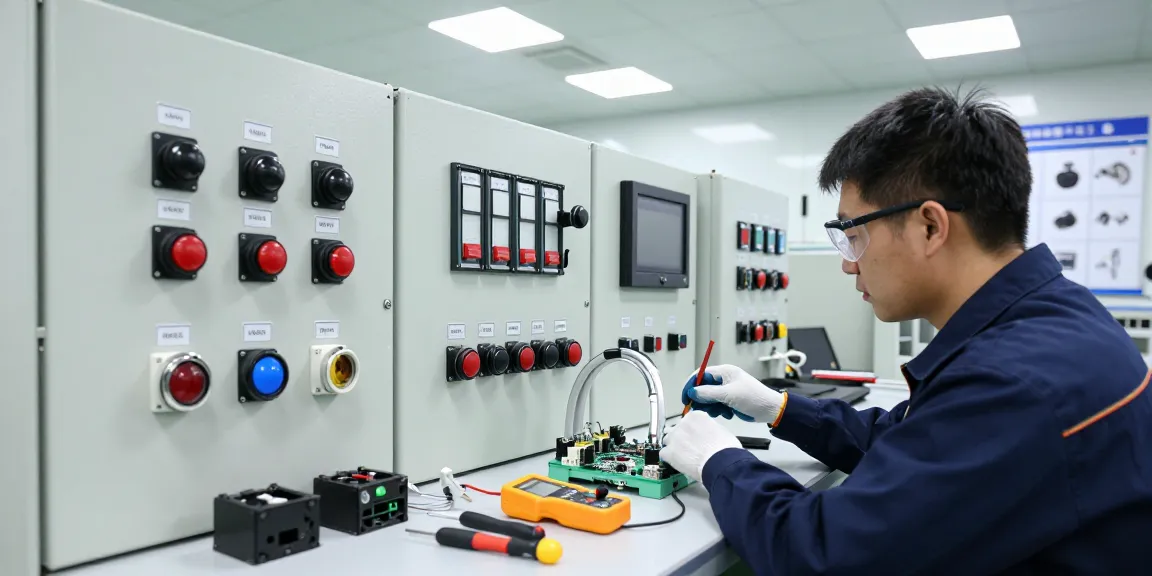
A panel switch is an electrical device designed to control a circuit by toggling between on and off states or selecting between different operations. They are commonly mounted in control panels, dashboards, and electronic enclosures, serving as user interfaces for electrical systems. Panel switches are crucial for ensuring the safe and efficient operation of devices, providing a direct means for users to interact with complex electrical systems.
Types of Panel Switches and Their Applications
Panel switches come in various forms, each serving unique functions across different industries. The most common types include:
- Toggle Switches: Ideal for simple on/off applications, commonly found in household and industrial switches.
- Rocker Switches: These provide a stylish and user-friendly design, often used in vehicles and home appliances.
- Momentary Push-Button Switches: Perfect for applications requiring transient actions, such as doorbells or emergency stop buttons.
- Rotary Switches: Utilized for selecting multiple circuits or settings, frequently seen in audio equipment and industrial machinery.
- Piezo Switches: Known for their durability and resistance to harsh conditions, ideal for public equipment and outdoor applications.
Key Features of Modern Panel Switches
Contemporary panel switches are designed with advanced features to enhance user experience and operational efficiency:
- Durability: Many switches are built to withstand environmental challenges, such as moisture, dust, and extreme temperatures.
- User-Friendly Designs: Ergonomic designs facilitate ease of use, allowing for quick and intuitive operation.
- Customizable Options: Many manufacturers offer customization like LED backlighting, color options, and actuator shapes for tailored solutions.
- Smart Technology Integration: New panel switches may include connectivity features for integration with IoT applications.
Benefits of Anti-Vandal Switches
In environments where switches are subject to misuse or tampering, anti-vandal switches present significant advantages. These switches are designed with robust housing and materials that resist impact and damage, making them ideal for public-facing installations.
Importance of Durability in Harsh Environments
Anti-vandal switches are built to endure extreme conditions, such as high traffic, outdoor exposure, and potential vandalism. Their construction often includes:
- Sealed Enclosures: Many anti-vandal switches are IP-rated for water and dust resistance, ensuring they function reliably in adverse conditions.
- High-Quality Materials: Utilizing stainless steel or other resilient materials, these switches endure physical impacts and corrosion.
How Anti-Vandal Switches Enhance User Safety
By minimizing the risk of accidental activation or damage due to external forces, anti-vandal switches promote safety in both public and private installations. Their solid-state nature reduces failure rates, ensuring consistent operation without the need for mechanical components prone to wear.
Comparing Anti-Vandal Switches with Standard Switches
While standard switches might suffice for controlled environments, they may not be suitable for use in public areas or high-risk applications. In contrast, anti-vandal switches offer:
- Enhanced Durability: Built to withstand pressure and abuse, reducing maintenance and replacement costs.
- Functional Reliability: Consistently perform in rigorous settings, outperforming standard switches in longevity and reliability.
Choosing the Right Panel Switch for Your Needs
Selecting the appropriate panel switch is crucial to the success of your project or installation. Various factors should be considered when making this decision, ensuring that you choose the right switch for the specific application.
Factors to Consider When Selecting Panel Switches
When choosing a panel switch, evaluate the following aspects:
- Application Environment: Assess whether the switch needs to withstand moisture, dirt, or potential vandalism.
- Electrical Ratings: Ensure the switch can handle the voltage and current requirements of your application.
- Mounting Requirements: Consider the physical dimensions and installation method necessary for your system.
Common Use Cases for Different Panel Switch Types
Understanding where different types of panel switches excel can guide your selection:
- Toggle Switches: Best suited for simple light control in residential settings.
- Rocker Switches: Often found in recreational vehicles and marine applications due to their durability and aesthetic appeal.
- Piezo Switches: Ideal for kiosks, elevator controls, and outdoor equipment, where reliability is paramount.
Expert Tips for Panel Switch Installation
Proper installation maximizes the lifespan and performance of panel switches. Here are some expert tips:
- Follow Manufacturer Guidelines: Each switch comes with specific installation instructions; adhering to these is crucial.
- Use Appropriate Tools: Ensure you have the right tools for installation to avoid damaging the switch or panel.
- Consider Circuit Protection: Integrate circuit protection devices to safeguard your switches from electrical faults.
Trends in Panel Switch Technology for 2026
The landscape of panel switch technology is ever-evolving, with innovations driving functionality, design, and integration capabilities. Keeping up with these trends can provide users with cutting-edge solutions tailored to their needs.
Emerging Innovations in Switch Design
Innovations in materials and manufacturing processes are leading to more reliable, visually appealing, and functional panel switches. Some notable trends include:
- Flexible Materials: Advances in flexible materials allow for innovative switch designs that can adapt to various shapes and environments.
- Touch Technology: Capacitive touch switches are gaining popularity due to their sleek designs and ease of use.
The Role of Smart Technology in Panel Switches
Smart technology integration is enhancing the capabilities of panel switches, enabling features such as remote control, diagnostics, and energy monitoring. These enhancements are beneficial for:
- Energy Management: Allowing for more efficient power usage through programmable switches.
- Improved User Experience: Offering intuitive interfaces and feedback mechanisms for enhanced control.
Future Predictions for Electronics and Control Panels
As industries continue to evolve, panel switches will adapt to new challenges and opportunities. Key predictions include:
- Greater Customization: Increasing demand for customized solutions tailored to specific applications.
- Integration with IoT: More panel switches will feature IoT capabilities, allowing for smart home integration and automation.
FAQs about Panel Switches
What are the advantages of using piezo switches?
Piezo switches offer several advantages, including durability, maintenance-free operation, and resistance to environmental factors such as moisture and dirt. Their solid-state technology allows for a longer lifespan compared to traditional mechanical switches.
How do panel switches differ from traditional switches?
Panel switches are typically designed for specific applications within enclosures or control panels, providing more versatility and user-friendly features than traditional switches, which may be simple toggle or push-button designs.
What maintenance do panel switches require?
Most modern panel switches, especially anti-vandal and piezo types, require minimal maintenance due to their robust design. Regular inspections for effective operation and any signs of external damage are generally sufficient.
Are there customizable options for panel switches?
Yes, many manufacturers, including Langir, offer customizable options, such as different colors, LED backlighting, and actuator shapes, allowing for tailored solutions that meet individual user needs.
What industries benefit most from panel switch technology?
Panel switch technology is used across various industries, including automotive, industrial machinery, consumer electronics, and public transportation, due to its versatility and essential role in electrical control systems.. Additionally, Capacitive switch provides further details.