
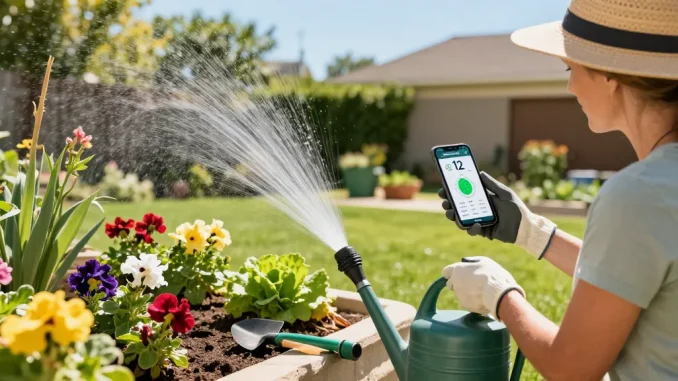
Understanding RainPoint Irrigation Controllers
In today’s world where water conservation and efficient gardening practices are paramount, rainpoint Irrigation Controllers emerge as an essential tool for homeowners and garden enthusiasts alike. These smart devices not only automate your garden’s watering needs but also provide insights into moisture levels, helping you grow healthier plants while saving water.
What are RainPoint Irrigation Controllers?
RainPoint Irrigation Controllers are advanced watering systems designed to optimize the irrigation process for gardens, lawns, and indoor plants. With the integration of smart technology, these controllers allow users to manage their watering schedules remotely through mobile applications. This feature makes them particularly appealing to those who may not always be available to water their plants manually.
Key Features of RainPoint Irrigation Controllers
- Wi-Fi Connectivity: Enables remote management of your watering system via smartphone apps.
- Soil Moisture Sensors: These sensors monitor the moisture levels in the soil, ensuring plants are watered only when necessary.
- Multiple Zone Control: Allows for different watering schedules for various zones in your yard, catering to the specific needs of each area.
- Data Monitoring: Users can track water consumption, providing a clearer picture of their watering habits and helping to identify areas for improvement.
- Ease of Use: Simplified setup and configuration; most users report a seamless experience, even for first-time users.
Benefits for Home Gardeners
Home gardeners greatly benefit from utilizing RainPoint Irrigation Controllers. These devices make it easy to maintain optimal growth conditions for plants by automating the watering process. Users can also ensure that they are not wasting water, ultimately leading to lower utility bills and a more sustainable gardening practice. Additionally, the ability to monitor soil moisture helps gardeners avoid overwatering, which can lead to plant stress and root rot.
Setting Up Your RainPoint Irrigation System
Step-by-Step Installation Guide
Setting up your RainPoint Irrigation Controller is a straightforward process that can be completed in a matter of minutes. Here are the essential steps:
- Choose a Location: Select an area near your water source where the controller will be placed.
- Connect to the Hose: Attach the watering timer to your garden hose or irrigation system.
- Install Soil Sensors: Place the soil moisture sensors in the desired locations around your plants.
- Download the App: Download the RainPoint app from your device’s app store and create an account.
- Connect to Wi-Fi: Follow the app’s instructions to connect the controller to your home Wi-Fi network.
- Set Watering Schedule: Use the app to set your watering schedule based on your plants’ needs.
Connecting to Wi-Fi and Mobile App Features
Once you have installed your RainPoint Irrigation Controller, connecting it to Wi-Fi is essential for accessing all the app features. The app allows users to remotely adjust schedules, monitor soil moisture levels, and receive notifications regarding water usage. Ensuring a stable Wi-Fi connection is key, as this will enable seamless communication between the controller and your mobile device.
Adjusting Settings for Optimal Watering
To maximize the effectiveness of your RainPoint system, regularly review and adjust the watering schedules based on seasonal changes and plant growth stages. The app provides flexibility to easily modify settings, ensuring your plants receive the right amount of water without unnecessary waste. Additionally, utilizing the soil moisture data can help you adapt your watering plans to the actual needs of your garden.
Maximizing Water Conservation with RainPoint
Understanding Soil Moisture Levels
One of the standout features of RainPoint Irrigation Controllers is their ability to assess soil moisture levels. Soil sensors provide real-time data that informs you when to water and when to hold off. This capability is crucial in preventing overwatering and under-watering, which are common pitfalls for many gardeners.
Scheduling Efficient Watering Times
Efficient watering scheduling is vital for effective irrigation. RainPoint allows users to set watering times during periods of lower evaporation, such as early morning or late evening. Scheduling specific intervals can also prevent plant stress and enhance the overall growth rate, keeping your garden thriving.
Monitoring Water Usage Data
Monitoring the data collected by your RainPoint system can provide valuable insights into your watering habits. Users can track water usage over time, allowing them to make necessary adjustments and improve efficiency. This feature not only promotes water conservation but also helps in planning more effective gardening strategies.
Common Challenges and Solutions
Frequent Issues with Setup and Configuration
While RainPoint Irrigation Controllers are designed for simplicity, some users may encounter challenges during initial setup. Common issues include connectivity problems and confusion over app navigation. Comprehensive guides and dedicated customer service can assist in resolving these issues quickly.
How to Troubleshoot Connectivity Problems
If you experience connectivity issues with your RainPoint system, first ensure that your Wi-Fi signal is strong in the installation area. Restarting both your router and the RainPoint controller can often resolve connectivity concerns. Additionally, check for any software updates available for the app, as these can enhance performance and connectivity.
Addressing Under or Over-Watering
Finding the right balance between under-watering and over-watering can be challenging. Utilize the soil moisture sensors effectively and set precise thresholds to ensure your plants receive adequate hydration. Regularly analyze the growth and health of your plants to adjust your settings as necessary.
Future of Smart Irrigation in Gardening
Innovative Features on the Horizon for 2026
The future of smart irrigation looks promising as technology continues to advance. In 2026, we expect to see features such as AI-driven irrigation systems, which can analyze weather patterns and adapt watering schedules accordingly. This could help not only in saving water but also in supporting plant health with precision.
The Role of AI in Irrigation Management
Artificial intelligence is set to revolutionize irrigation management by predicting and automating water usage based on real-time environmental conditions. AI systems can optimize watering schedules more efficiently than ever, ensuring that plants get exactly what they need, when they need it.
Trends in Sustainable Gardening Practices
The push for sustainability in gardening will continue to grow, with more gardeners seeking eco-friendly solutions. RainPoint Irrigation Controllers support this trend, encouraging water conservation and efficient plant care methods that benefit both gardeners and the environment.
How Can RainPoint Help Promote Sustainable Gardening?
RainPoint plays a significant role in promoting sustainable gardening practices by providing tools that advocate for responsible water usage. By offering data insights and efficient irrigation solutions, RainPoint not only supports healthier plant growth but also contributes to an overall reduction in water wastage.