
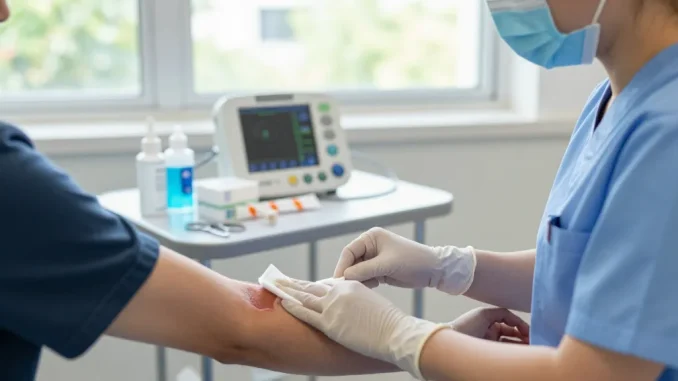
Understanding Medical Gauze: Composition and Types
Medical gauze is an essential component in wound care management, serving as a primary line of defense in preventing infection and promoting healing. Composed of woven or non-woven fibers, gauze is a staple in both clinical settings and at-home care. Its versatility and ease of use make it an indispensable item in medical kits across the globe. When exploring options, medical gauze provides comprehensive insights into various applications and types available for healthcare professionals.
What is Medical Gauze?
Medical gauze is a thin, permeable fabric made from cotton or synthetic materials used primarily for wound dressing and other medical applications. Its breathable qualities allow for airflow while providing a protective barrier against contaminants. Often used in conjunction with ointments and other healing agents, gauze can be cut and adapted to fit the needs of various wounds, from minor cuts to complex surgical incisions.
Types of Medical Gauze and Their Uses
There are several types of medical gauze available, each designed for specific purposes:
- Plain Gauze: This is the most basic form, typically used as a dressing for minor wounds and abrasions.
- Non-Adherent Gauze: Often coated with a substance such as petroleum jelly, this type prevents the dressing from sticking to the wound, making it ideal for delicate areas.
- Antimicrobial Gauze: Incorporating agents that inhibit bacterial growth, this gauze type is utilized in treating infected wounds.
- Mesh Gauze: Typically used for surgical wounds, mesh gauze provides structural support while allowing for drainage.
Key Properties That Make Gauze Essential in Care
The effectiveness of medical gauze can be attributed to several key properties:
- Absorbency: Medical gauze can absorb exudates from wounds, preventing maceration of the surrounding skin.
- Breathability: Its porous nature allows air circulation, which is crucial for the healing process.
- Flexibility: Gauze can easily conform to various body shapes and sizes, ensuring proper coverage and comfort.
- Biocompatibility: Made from materials that are safe for skin contact, gauze minimizes the risk of allergic reactions.
Best Practices for Using Medical Gauze in Wound Care
Utilizing medical gauze effectively involves understanding best practices that ensure optimal healing and minimize complications. Following proper techniques and avoiding common pitfalls can significantly enhance patient outcomes.
Correct Techniques for Applying Medical Gauze
When applying gauze, it’s essential to ensure that the wound is clean and dry. Start by:
- Washing your hands thoroughly before handling any medical supplies.
- Using sterile gauze to cover the wound, ensuring that it is large enough to extend beyond the edges.
- Securing the gauze in place with tape or a bandage, making sure not to apply too much pressure that could cut off circulation.
- Changing the dressing regularly, according to the wound’s exudate level and the healthcare provider’s recommendations.
Common Mistakes to Avoid When Using Gauze
Some frequent mistakes healthcare providers and patients make include:
- Using Inappropriate Gauze: Not all wounds require the same type of gauze, and using the wrong kind can hinder healing.
- Neglecting Cleanliness: Failing to sanitize hands or the surrounding area can lead to infections.
- Overlooking Patient Comfort: Ensuring that the dressing is comfortable is critical; excessively tight or loose dressings can cause pain or complications.
Dos and Don’ts for Effective Wound Management
Here are some dos and don’ts to keep in mind when managing wounds with gauze:
- Do assess the wound regularly for signs of infection, such as increased redness, swelling, or discharge.
- Do follow healthcare provider instructions regarding dressing changes and wound care.
- Don’t ignore persistent pain or bleeding; consult a healthcare professional immediately.
- Don’t use expired or damaged gauze, as it may not provide adequate protection.
Innovative Technologies Impacting Medical Gauze
The medical gauze industry is rapidly evolving, with numerous innovations enhancing its effectiveness and application. Understanding these trends can help healthcare providers make informed decisions regarding wound care.
Emerging Trends in Gauze Manufacturing
Several trends have emerged in the production of medical gauze, including the incorporation of advanced materials and manufacturing techniques. Innovations such as:
- Biodegradable Gauze: Addressing environmental concerns, biodegradable options are being developed that offer the same protection with a lower ecological footprint.
- Enhanced Absorbency: New manufacturing processes are leading to gauze products with superior absorption capabilities, aiding in the management of exudative wounds.
- Nanotechnology: The implementation of nanotechnology is enhancing the antimicrobial properties of gauze, providing better protection against infection.
Smart Medical Gauze: The Future of Wound Care
The future of wound care may very well involve smart medical gauze equipped with sensors that monitor moisture levels and temperature, providing real-time data to healthcare providers. This technology can help in:
- Customizing treatment plans based on the wound’s condition.
- Reducing the frequency of dressing changes.
- Improving patient comfort and outcomes.
How Technology Enhances Gauze Effectiveness
Technological advancements have revolutionized how medical gauze is used, allowing for a more targeted approach to wound management. Innovations like:
- Integrated Drug Delivery: Some gauze products now come with embedded medication, facilitating direct treatment to the wound site.
- Smart Packaging: Packaging that indicates the sterility and integrity of gauze products ensures that healthcare professionals use effective supplies.
Real-world Applications: Case Studies in Wound Management
Understanding the practical applications of medical gauze can offer insights into its effectiveness in real-world scenarios. Several case studies provide valuable lessons and highlight successful treatment outcomes.
Successful Treatment Outcomes with Medical Gauze
Numerous case studies illustrate how effective gauze management has led to positive outcomes:
- A study involving diabetic foot ulcers demonstrated that using antimicrobial gauze significantly reduced infection rates and healing time.
- Patients recovering from surgeries experienced lower complication rates when using non-adherent gauze compared to traditional options.
Lessons Learned from Clinical Experiences
Clinical experiences have revealed several important lessons, such as the importance of:
- Personalizing gauze selection based on patient needs and wound characteristics.
- Implementing training programs for healthcare staff regarding proper gauze application and management.
Feedback from Healthcare Professionals on Gauze Usage
Feedback from healthcare providers underscores the critical role that gauze plays in wound care. Many professionals advocate for ongoing education about new products and techniques to ensure the best patient outcomes.
Future of Medical Gauze: Predictions for 2026 and Beyond
The medical gauze industry is set for transformative changes in the coming years, driven by advancements in technology, materials, and treatment protocols. Here’s what to expect as we look toward 2026 and beyond.
Trends Shaping the Next Generation of Medical Gauze
Several overarching trends are expected to define the future of medical gauze:
- Increased Customization: Tailored gauze solutions that cater to specific patient demographics, such as pediatric and geriatric populations.
- Focus on Patient-Centric Care: Gauze products designed with patient comfort in mind will gain traction, enhancing overall care experiences.
- Integration with Wearable Technology: Incorporating gauze into wearable devices for continuous monitoring of wound healing status.
How COVID-19 Impacts Gauze Supply and Innovations
The COVID-19 pandemic has significantly impacted the medical supply chain, including gauze production. Innovations stemming from this period include:
- Quicker response times in manufacturing to meet sudden demands for personal protective equipment (PPE) and gauze.
- Collaborations between manufacturers and healthcare providers to ensure adequate supply chains.
Preparing for the Future of Wound Care in Healthcare
Healthcare providers must prepare for the evolving landscape of wound care by adopting emerging technologies, investing in training, and staying updated on the latest research related to gauze applications.
What are the Latest Innovations in Medical Gauze?
As the industry progresses, new innovations regularly emerge. Some of the latest advancements include:
- Gauzes that incorporate growth factors to expedite healing.
- Products designed to manage chronic wounds more effectively, addressing specific challenges faced by patients with underlying health conditions.
How to Adapt to Changes in Medical Gauze Applications?
Healthcare professionals should remain flexible and responsive to changes in gauze applications by:
- Participating in ongoing education and training opportunities.
- Engaging with manufacturers to understand product updates and innovations.
- Collecting and analyzing feedback from patients to refine gauze application techniques.